Awakenings…or I took a walk with a bee

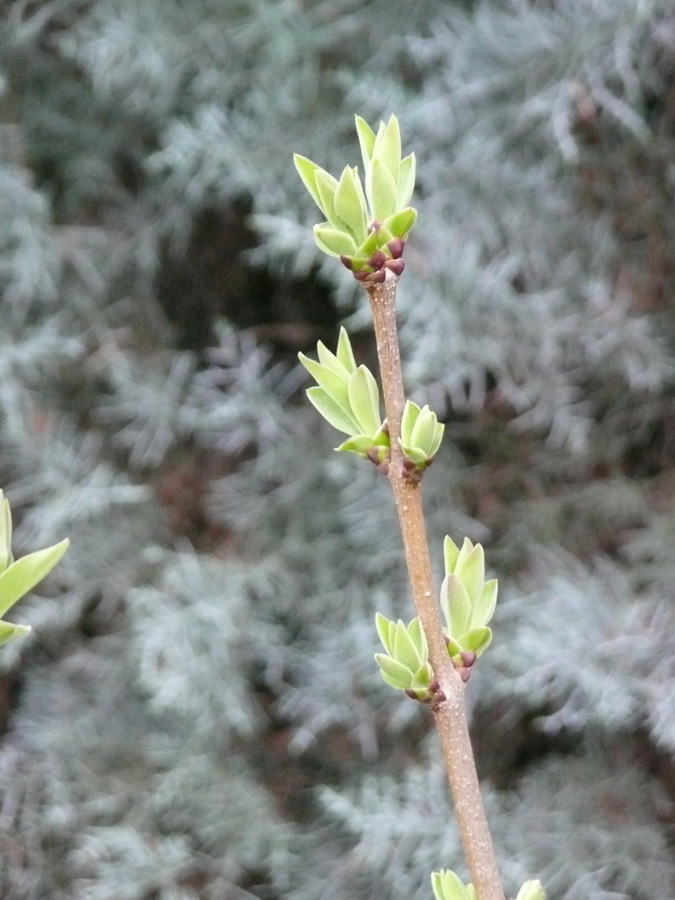
It’s the small things one notices, and then the certainty. The season has changed. Spring is here, but it’s only just awakening.

Beginnings ripple throughout the countryside and suddenly there is color and sound and flight where there had been darkness and snow. I wonder if plants do have a secret life, secret from humans, that is. I just bet, when they’re flowering and leafing, they feel as excited as we do during our own awakenings.

I took a walk with a bee this morning. No kidding. I had gone down to the creek for my morning walk, and on the way back I started collecting sticks from the forest floor. They’re the best kindling for our fires as they’ve fallen naturally from the trees and have gathered lichen–great material for a fire starter.

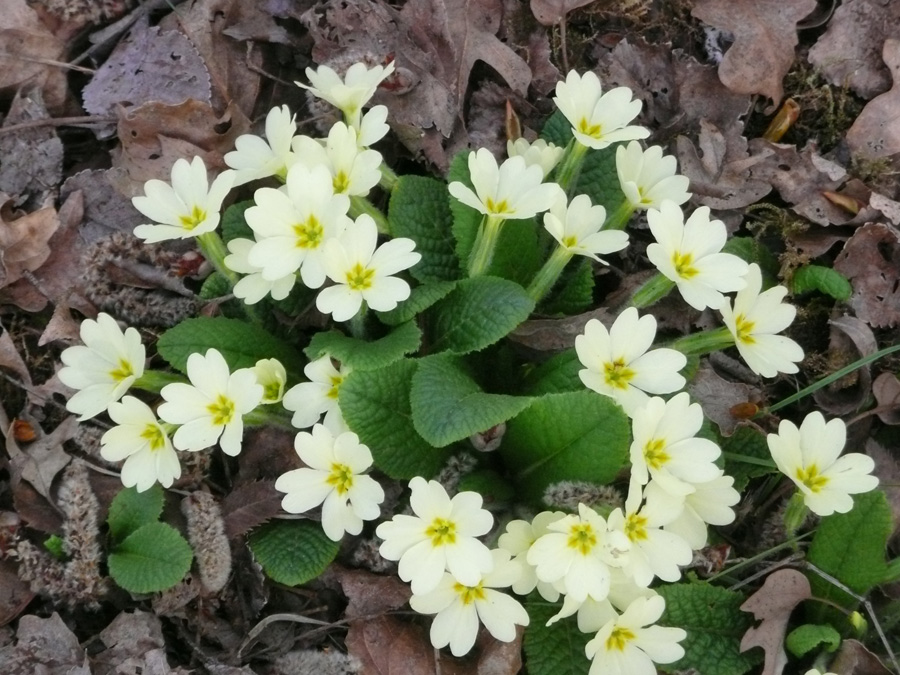
So there I was, walking along holding my sticks, and I realized I had been hearing a buzzing sound for a few minutes. I looked down and sure enough, a brown, fuzzy bee was kind of hopping along just in front of my feet. The forest floor is oozing with moss and other strange mucky things from the recent rains, and it’s producing some beautiful white and purple flowers.

This little bee was ecstatic, jumping from one oozy mess to the next, then to the flowers, then back to the tips of my boots. She stayed with me for about 100 meters. Once in awhile I got ahead of her as she fell, intoxicated, into another patch of flowers. Then, she was back, hopping on my boot.

A breeze funneled down the path, whispering through the trees and making the world around me shiver. We reached the fork in the path, and I looked down just as she took off from my boot. We went our separate ways.

As I walked back up the hill toward our house, I thought, huh, I just took a walk with a bee. Well, it’s spring. Stranger things can happen I suppose. When I rounded the corner, I said, yep.

I left my heart in San Miguel

If home is where the heart is, then I have two homes. One of which I’ve never lived in. But it was my mom’s home for 25 years. And wherever my mom lived, my heart was there with her. The last time I was in San Miguel de Allende, Mexico, was with my brother and sister to say goodbye to our mom forever and, as I discovered later, to leave my heart there with her.

A full year after my mom’s death, my mind wanders back to San Miguel. The pull is strong, but not nearly as strong as Italy, and it’s for different reasons. Italy is our home. We chose to live here. Ever since the lure of Italy wrapped itself around my husband and me, we’ve never doubted that we did the right thing by moving here.

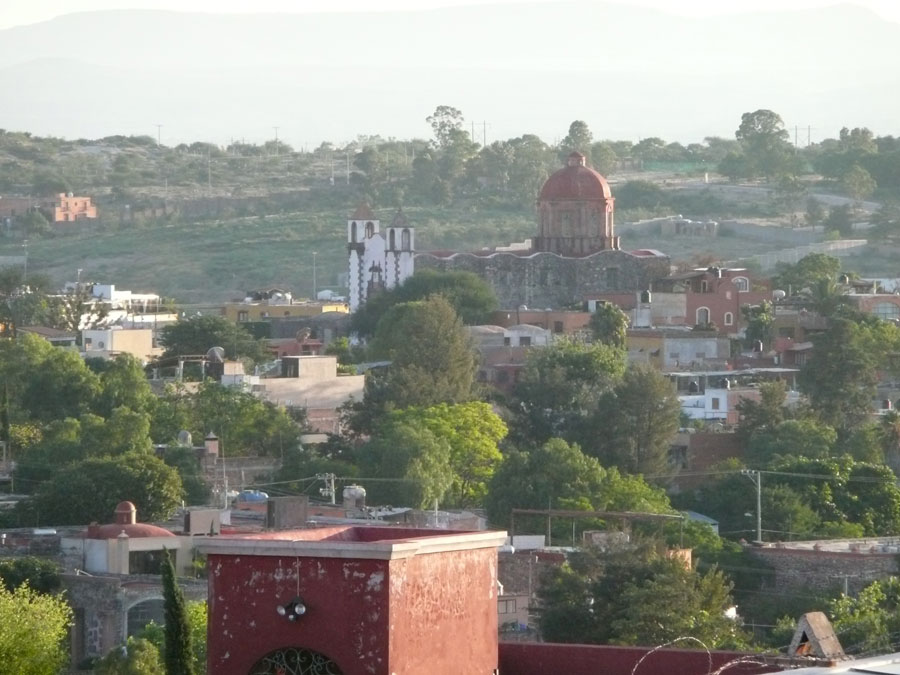
Still, San Miguel calls to me through my mom. I know I could never live there, beautiful as it is. It’s too noisy, too congested, and too full of wealthy Americans who have replaced the charming, small houses with mansions and large hotels that don’t fit in with the local ambience. Luckily, one can still find the untouched streets that are the heart and soul of San Miguel.

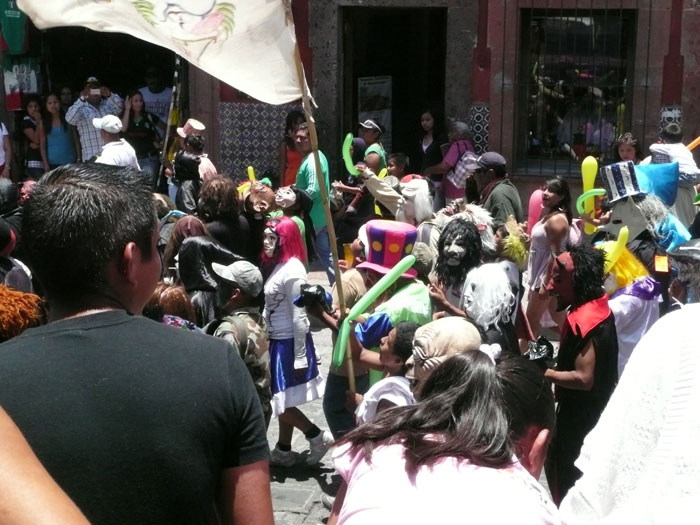
When my mind wanders back, I feel the cobblestoned streets under my feet, I smell the cooking tortillas through open windows, I sweat under the intense sun and heat and stop to catch my breath as I walk up the steep hills at 7,000 feet. I hear babies crying, Spanish, endure the endless stream of pick-up trucks, I choke on the exhaust. The names of streets roll off my tongue: Tenerias, Pila Seca, Umaran, Zacateros, Calle de Aldama, Sollano. I sit in the Jardin and gaze at La Parroquia, or watch one of the parades that seem to dance through the historic center every day.

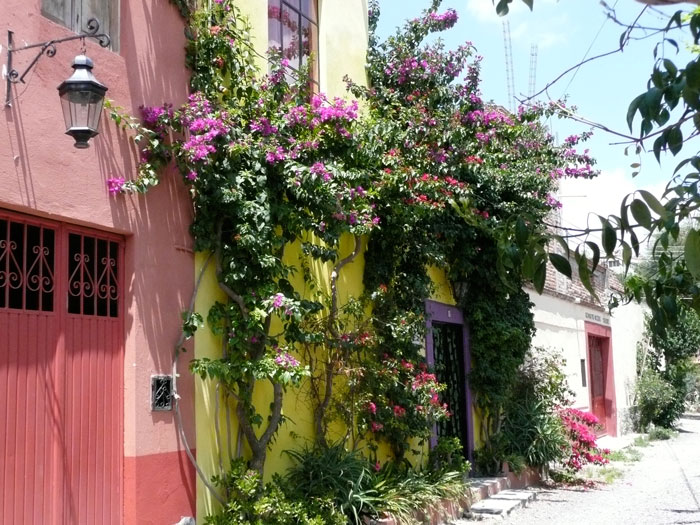
Then I walk away from the congested center and discover the quiet San Miguel with its small gems of painted doors surrounded by climbing bougainvillea.

I sit on the terrace of my room at the colorful B&B that’s owned by my mom’s best friend and remember how this “second family” of my mom’s became mine as well.

And amidst the pick-up trucks and taxis are the burros that still populate the streets.

All of these memories tumble through my mind, pulling me back to San Miguel. But the dearest memory I hold is sitting with my mom in the cool shade of her patio, watching her beautiful hands as she recounts stories of her beloved San Miguel–the place I left my heart.


A winter to remember–the women of Montone

So, it’s a bit cold in Italy right now. And why not? It’s February! I look out my window at the white valley, listen to the tramontana (north wind) howling, watch the snow swirls. It’s beautiful.

We’re snowed in and probably will be for 4-5 days, but we’re warm and cozy with plenty of fire wood and provisions. We were expecting this storm and stocked up the morning  before it hit hard. It’s a little inconvenient that we can’t get out of our valley, but as long as we stay healthy, we’ll be fine.

Being snowed in, I took this opportunity to hike over to our neighbor’s house. I don’t visit them nearly enough and the two matriarchs of family are now in their early 80s. Their husbands are long gone, two of their grown children own half of the house, the other children, grand-children and great-granchildren have moved to various cities. They don’t want any part of the farming life that this family has endured for over 100 years.

We talked about the weather, of course, as we sat by the crackling fire in the kitchen, sipping their Vin Santo. The older sister had just come in from the garage and said with an embarrassed smile that she had just put her laundry in the dryer. The dryer! She smacked her forehead. She cannot believe what she has now: a washer and dryer, an electric garage door, heat, running water, electricity, the Internet for her grand-daughter, freezers, walls that don’t let in any air. They live in a modern house now on their property, their old stone farmhouse having been destroyed in the earthquake in 1985.

Then the stories started. Memories of past winters, their diga freezing and not being able to haul water, farm animals freezing to death, no running water, no electricity, no heat. They told these stories with hilarity, shrugs of shoulders, “what can you do…that’s the way it was”, isn’t our life completely different now…

And then came the story of the winter of 1944. Their husbands and brothers and sons were fighting the Germans as they rampaged their way through Umbria. They didn’t know if their loved ones were still alive–so many men had already died during the war. When the Germans approached Umbertide and the surrounding hills, most of the women of Montone had to flee to the hills.

It was a winter worse than today and it lasted for nearly three months. They hid in the mountains between Montone and Pietralunga for five months. They hauled what wood and water they could find, they slept under thin blankets in old stone hovels, they killed small birds and rabbits with stones to roast over their open fires, risking being discovered by the Germans. One woman gave birth to a little girl; she didn’t make it, she died a week later.

April 1944 brought the bombing of Umbertide, a sad mistake on the allies’ part. In June, the British troops, including the Indian 10th Infantry Division, arrived in Umbertide and liberated it. Fierce fighting continued in the surrounding hills, and Montone was finally liberated on 6-7 July with the British troops and the Italian Partisans engaging in fierce fighting against the Germans. Hand-to-hand combat, house-to-house searches, 20 Germans killed and 85 prisoners taken.

The women of Montone descended the hills on 8 July to be reunited with their village. My two grand dame neighbors returned to their farmhouse and land to rebuild their lives. Not many husbands of Montone returned; there was tremendous loss of life. But they looked forward to the warmth of summer, water in the diga, an actual kitchen in which to make pasta, a patch of garden to grow their beloved tomatoes and other vegetables, and above all, a fireplace that would be safe from enemy eyes for future winters.

It was time for me to go. The wind chilled me to the bone as I trudged up the 300 meters across the fields to our house. I was freezing…and then I stopped dead in my tracks. Freezing? In a down jacket with a fur hood? Snow boots with furry insides? Coming home to a house with radiators, a wonderful stufa, lights, rugs, eider down quilts, three incredible kitties, a loving husband. Freezing? Right.

My birthday gift to you

Magic of yesteryear

It’s the first birthday in 56 years that I won’t hear my mom’s beautiful voice saying to me, “Pretty Nina, how you changed my life the day you were born. I love you so.”

So, my birthday gift this year is to give voice to my mom and pay a small tribute to her and to some of the lovely birthdays she gave to me.

I was born on a Friday, around 10 at night, nine days premature. My mom’s water broke and she knew she’d never make it to the hospital, but my dad insisted they go. I was born on the gurney just outside the hospital entrance. The hospital was so full that they parked my mom in the hallway with me on her stomach. She said we stared at each other for an hour until she could be moved into a room. We came home the next morning.

On my 3rd birthday, she signed me up for ballet lessons, a gift that would last me nearly all my life. I danced professionally for a few years, then gave it up. But I’ve never lost my love of dance, my love of movement, my love of trying to keep the old bod in shape!

On my 6th birthday, she gave me a Siamese cat. That wonderful kitty slept with me, played with me, was my nurse-maid when I was sick, and she lived until I was 24 years old. We were sisters to the end.

On my 8th birthday, we went to Olvera Street in East Los Angeles for Las Posadas celebration. Olvera Street is the oldest section of L.A. and is essentially the birthplace of L.A.  It’s a beautiful old Pueblo marketplace with wonderful, local Mexican restaurants, shops, food and art. It was a little scary in those days to venture into East L.A. at night, but Las Posadas was different; the mood was festive and full of people. The nine day novena starts on December 16 and runs through to December 24. You can read all about the tradition on Wikipedia, but one of the most fun parts was for the children to be blindfolded and try to hit the Pinata to release the candy and gifts inside. I’ll never forget the festival that night; the music and dancing and singing showed me a life I had never seen before.

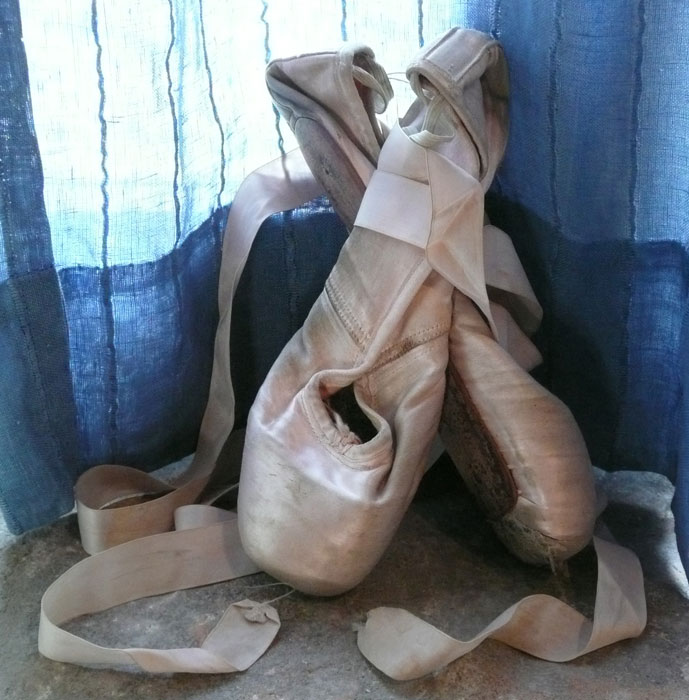
On my 12th birthday, she gave me the most splendid pair of toe shoes. I had been taking ballet since the age of three and had a new pair of toe shoes every year since I was 8 or 9. But that year, I was ready for the “big time.” We went to Hollywood to an ancient woman who made toe shoes by hand. She was Russian and her tiny store smelled of cat piss and burnt coal. She had only a few teeth left and gray hair down past her waist. She was awesome. Those toe shoes were magical…as you can see, I still have them.

On my 16th birthday, after I got my driver’s license at 8:00 that morning, she let me drive off to school in our family station wagon alone. She waved to me as I dipped out of view around the corner. What trust!

On my 21st birthday, she threw a huge party for me with all sorts of surprises, including a dance with my dad to “Moonlight Serenade.” (My father rarely danced; she must have threatened him!) I felt so grown up and so damn lucky to have the parents I had.

On my 24th birthday, my grandmother (my mom’s mother, Lola) was dying. We went to Utah to be with Lola, a touching and sad reunion as she had had her third stroke and no longer really knew who we were. As I was saying goodbye to my grandma, she had a moment of lucidity and touched my head. “Pretty Nina,” she said, “go now, it’s okay.” And she smiled. That night up at Alta (the ski resort my mother grew up in before there were chairlifts–they had to HIKE up the mountain in order to ski down! Egads.), the moon was ringed with a huge halo, and my mom said, “It’s going to snow tomorrow. Make a wish.” It did, and I did.

On my 25th birthday, she took me in after my divorce and let me stay at home until I got back on my feet. She was truly my best friend.

Mom’s 76th birthday

On my 33rd birthday, she moved to San Miguel de Allende, Mexico. She and my father divorced after 40 years of marriage and I took her in. She stayed with me in my tiny apartment in Santa Cruz for a couple of months until she got back on her feet. Then she said, “fuck it all, I’m moving to Mexico!” Off she went and lived there for 25 years until her death on January 2, 2011. What courage and chutzpah! She had the best years of her life in San Miguel, riding her horses, having a 10-year affair with a man 15 years her junior, singing, dancing, living life to the fullest. I was so proud of her!

Over the years on my birthdays, she would send me wild Mexican cards that I didn’t quite understand, but she said they were meant for one’s most loved child.

On my 50th birthday, she sent me 50 roses from Mexico…no mean feat from a Latin country to a Mediterranean one!

On my 55th birthday, my mom was dying. I prayed she wouldn’t die on my birthday and when she answered her phone that night, I was elated. We talked about our special days, the times we had together (including our recent visit in San Miguel that previous June when she was diagnosed with liver cancer), family, cats, horses, marriage, so many family memories, all the stuff of life that comes with the undeniable, impenetrable bond between mother and daughter.

She made it through Christmas and we had some great phone conversations. We made it to the night before New Year’s Eve. She sounded so wonderful and told me she was feeling pretty good and was still here!!

The next night, New Year’s Eve, she couldn’t talk. Her wonderful maid, Ireni, who had been with her for 25 years, said that my mamacita was very ill and couldn’t talk, but she could understand. I spoke to her for a few minutes and told her how much I loved her, how much she had taught me–in fact, every elegant and graceful thing in my life came from her–and how much I would miss her. I spoke of the full moon (her absolute passion) and told her that every month for the rest of my life, she would come to visit me and we would be together. She was only able to say, “Yes.”

She died during the night of January 1st-2nd, the most wretched night of my life. But she was with Ireni and her daughters, and surrounded by her best friends in San Miguel. (After my brother and sister and I had been with her the June before she died, she told us she did NOT want us to come back at the end. She wanted all of us to remember our visit and remember her while she was still somewhat healthy.)
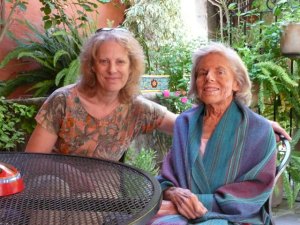
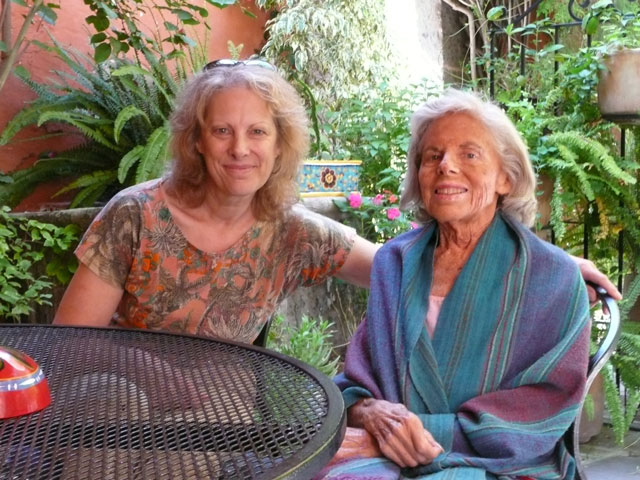
Mom and me, San Miguel de Allende, 2010

So, my birthday gift this year is what I inscribed in my book to her: “For my mom. You gave me my life and your love. I’ll always cherish both.”

Birthday hugs to all.

Sunflowers and wheat rolls

New friends

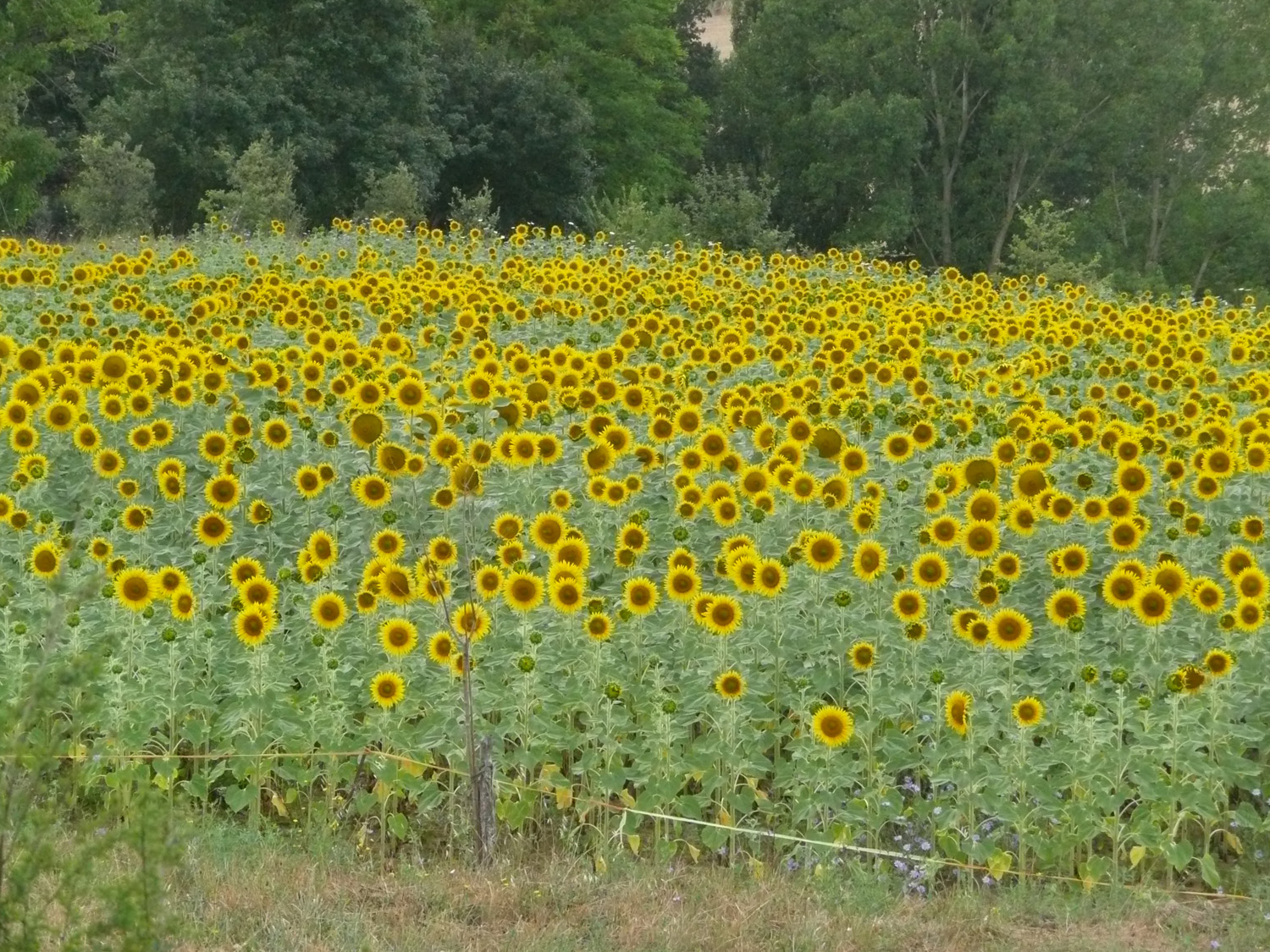
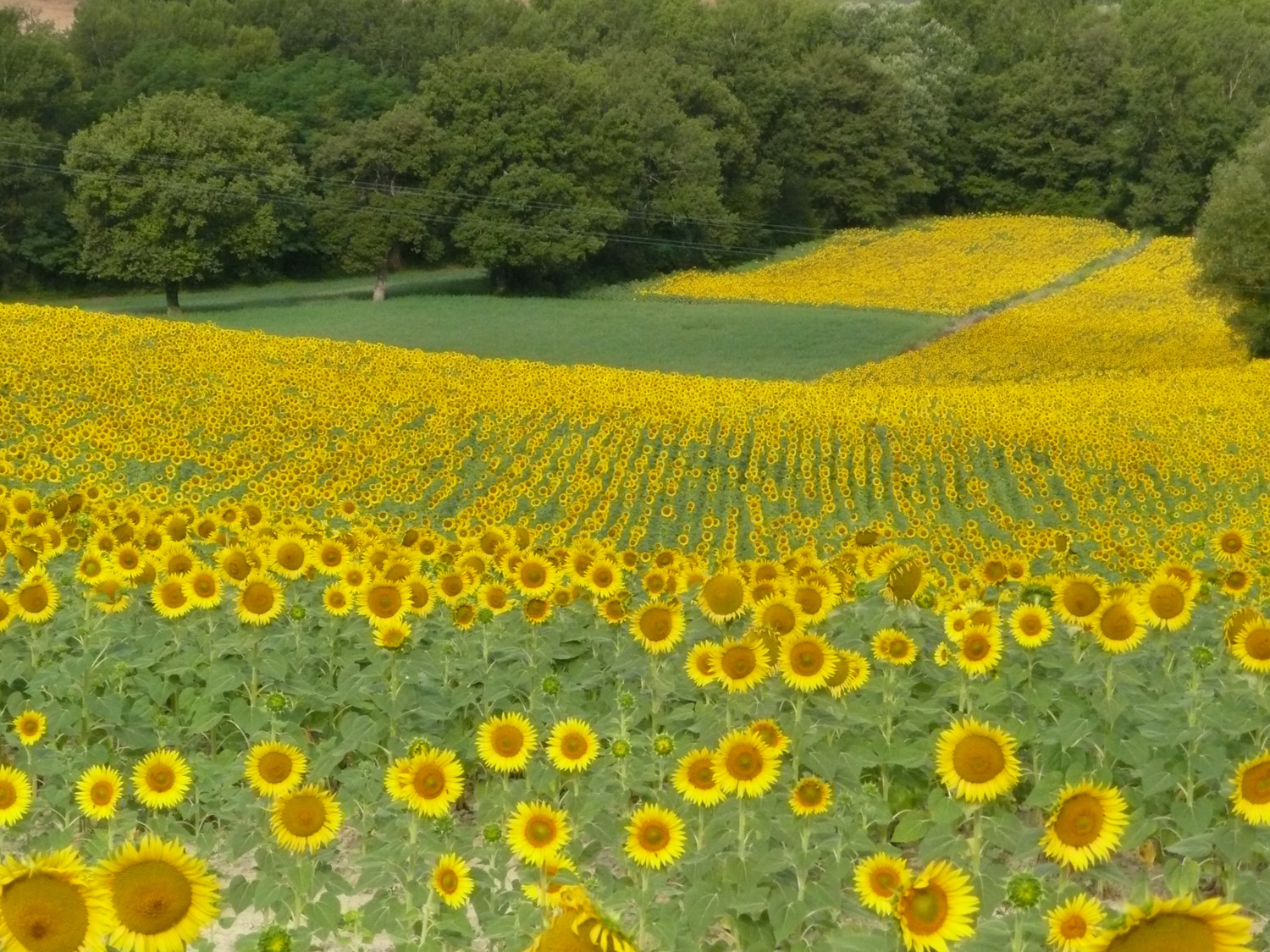
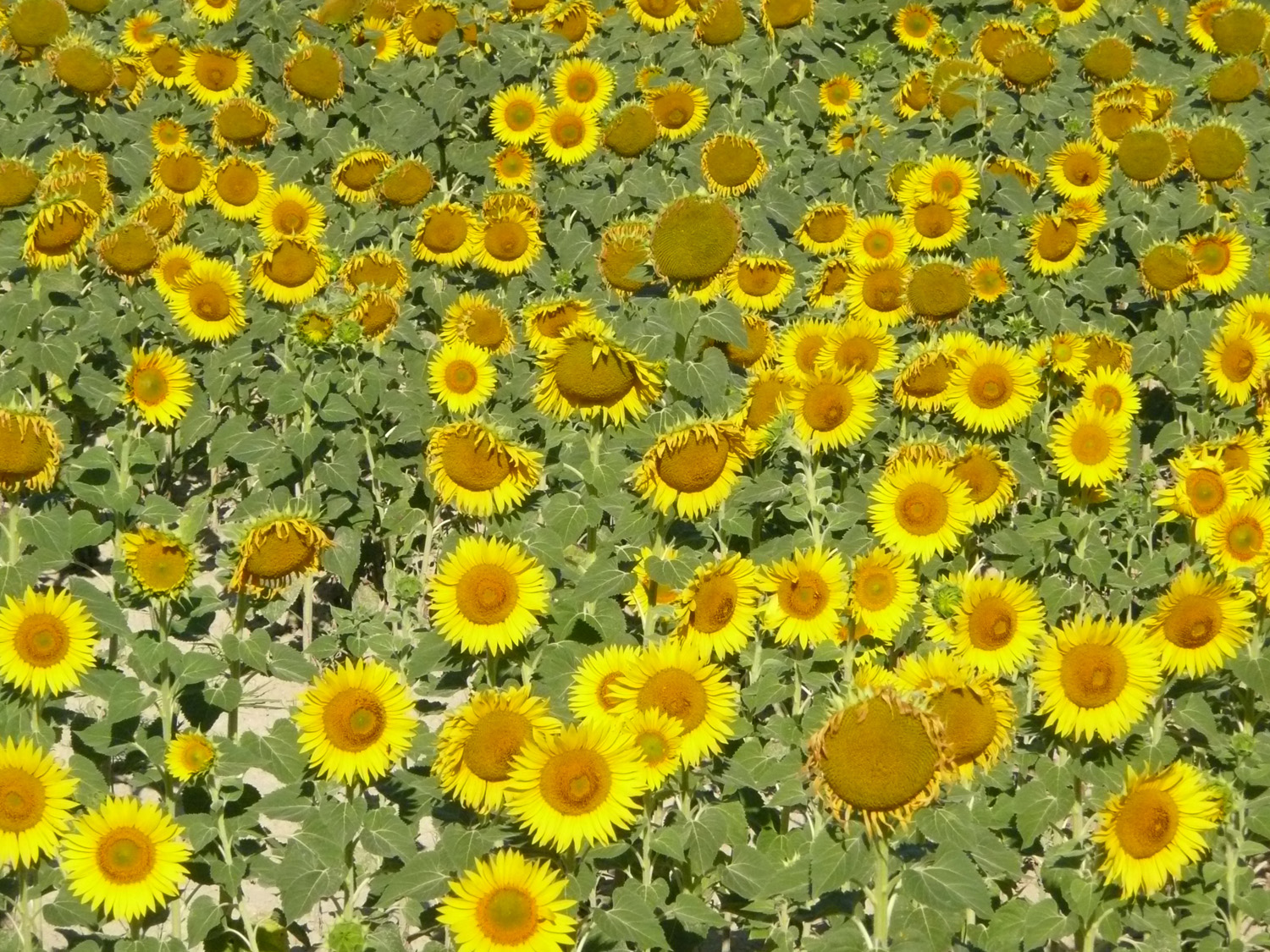
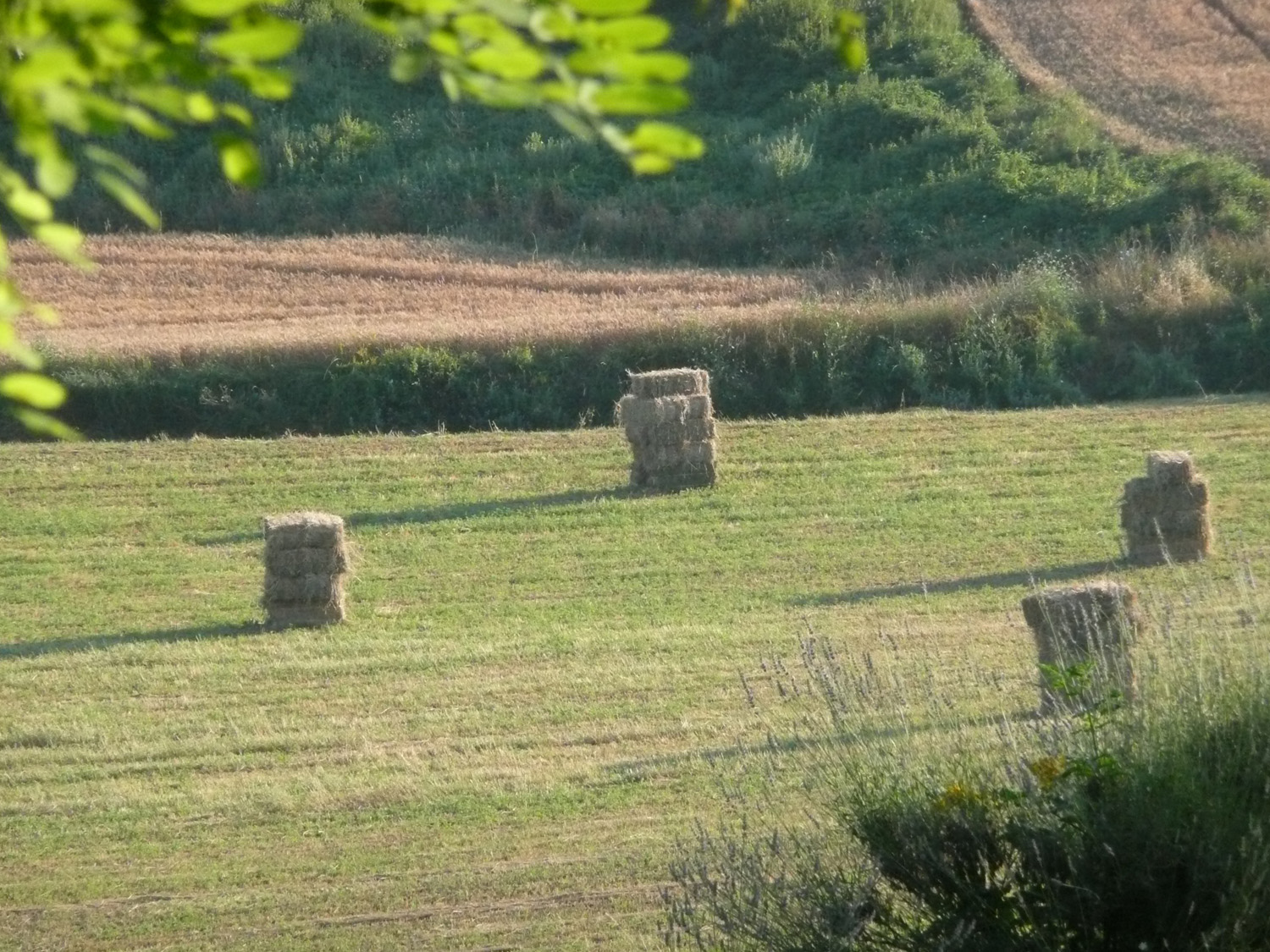
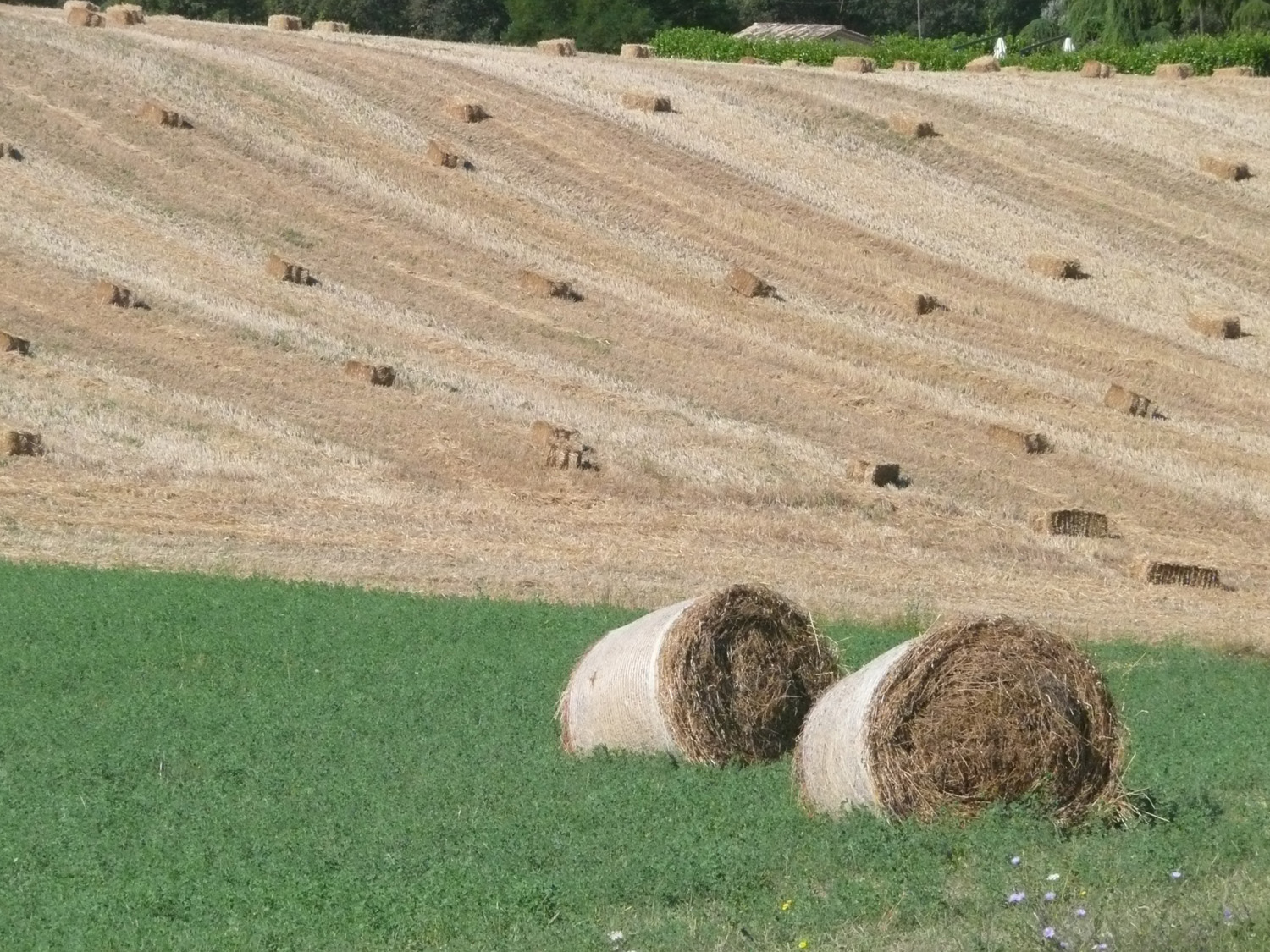
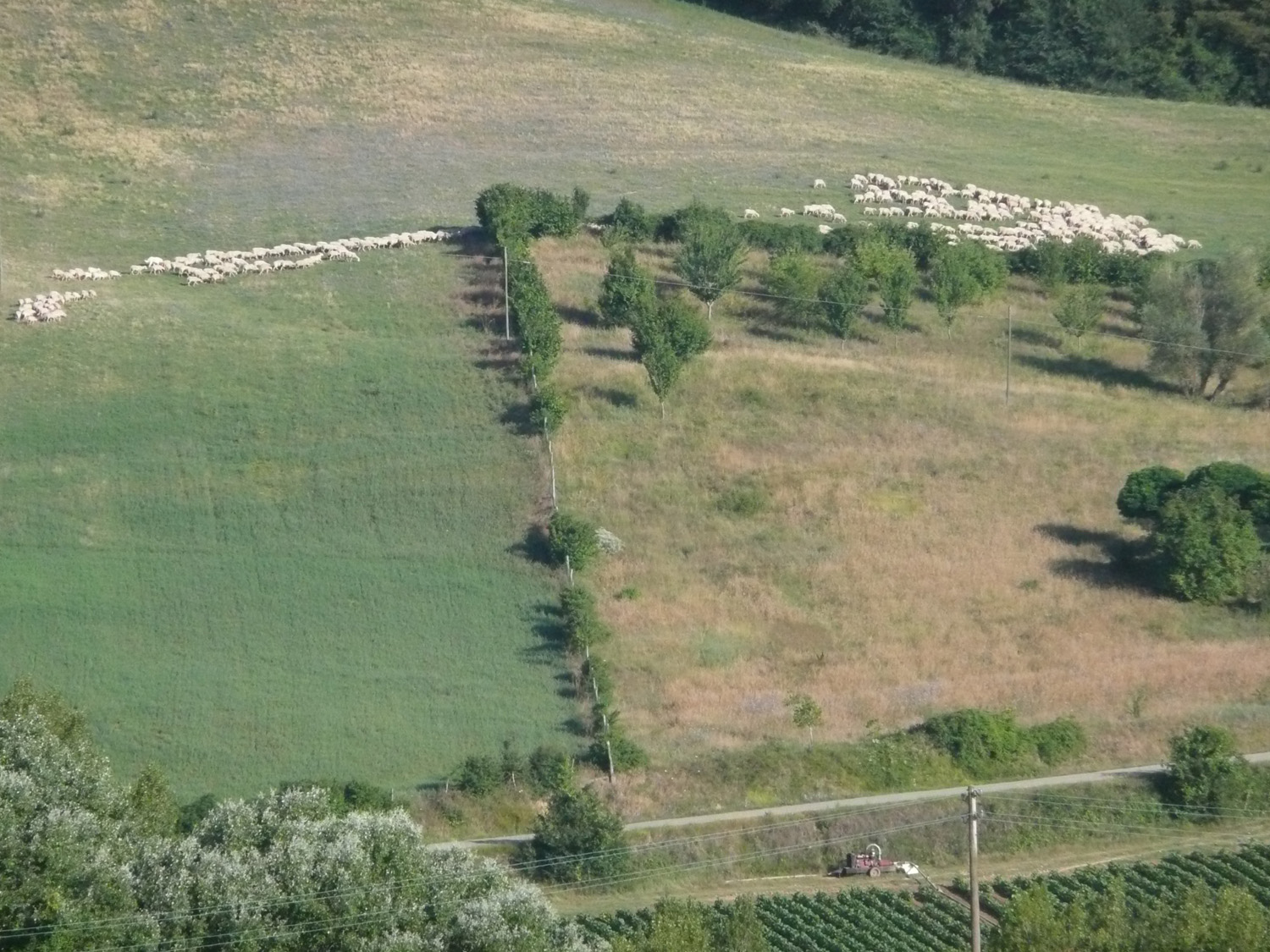
I’m not a big sunflower fan, but for some reason this summer, the sunflowers have crept into my life. Maybe because every field around us for miles is covered with them. They’re obviously the crop of choice this year for the Molino. So I decided to make friends with them; they’re such happy kids when they’re in first bloom. Together with the wheat rolls this year (very new technology for our little valley–the farmers around here have always done the traditional rectangles…kind of sad to see the old ways go), the land seems to be begging for photos. Was happy to oblige.


Memories of a mom who broke the code

At her finest...

This Mother’s Day is a challenge, to say the least. I lost my mother just after New Year’s, and today looms large in my heart. She was not the perfect mother, thank god, for she showed us what it meant to be human–to struggle, to fight, to fail, to win, to dance (wildly with abandon at times), to be crazy with jealousy, but also to love, to give, to cherish her children, and above all to maintain grace and dignity. Especially when she was ill and in pain, and then in death. In short, she broke “the code” of what mothers were supposed to be in the 50s and 60s.

She was a talented, bright woman who had a somewhat entitled upbringing and a private school education. She studied ballet, piano, Latin, French, and opera singing. She had a beautiful soprano voice, a talent she was most proud of against her mother’s contralto. Her mother had dreams of sending my mom off to Vassar or Smith College, but Mom chose the University of Chicago, where she was accepted into the Hutchins program at age 16. Her mother was devastated. Her father secretly was thrilled that she chose the courage of her convictions.

The first time she called home, her mother couldn’t hear her very well and thus began my grandmother’s lifelong deafness in one ear. Talk about guilt. You don’t need to be a shrink to ponder the meaning of that one. I don’t think my grandmother ever forgave my mom for ruining her dreams, forget about what my mom may have wanted. I can’t imagine having lived with that all my life, but my mom did.

When my parents got married, they were determined to live a life very different from their well-to-do parents. They wanted to travel the world, live on the spur of the moment, write, play piano, sing, and sail. Suddenly, too suddenly as they were so young, there were two children. All plans of serendipity went out the window and they settled down to a stable and secure suburban life, something that nearly killed my mother a couple of times. When I was born five years later, my mother knew she was in this life for the long haul. She accepted it (mostly) with grace and had a great time with us kids, even if she fought “what was expected of her” tooth and nail.

During the tense years of our teenage-hood in the 60s and 70s, she managed to hold things together pretty well, but she also had a number of meltdowns. Who didn’t? But most parents during that time were able to deny or hide the problems all too well. They suffered in silence thinking they were the only ones going through hell and doing their darnedest to maintain their suburban images: two-car garages, pristine lawns, cocktail parties, family Thanksgivings, weekend sailing trips, perfect anniversary celebrations, and above all for her, being the “perfect mom.”  There was a lot of pressure on her to be perfect living in Pacific Palisades where everyone seemed to be perfect.

To this day, I’m so proud of her for “failing” in this task. She couldn’t stand the hypocrisy of it all and refused to play along. Her fiery views on politics, religion, and the outrageous inequalities in life were wonderful to behold in a roomful of “don’t rock the boat” white, upper-middle-class, always-do-and-say-the-right-thing people. I don’t know where she found the courage to break the code over and over, because at that time it was a very lonely and scary road to take. Friends dropped away, and my father grew tired of her passionate “ravings” and just wanted a quiet life. After nearly 40 years of marriage, my father divorced my mother and married a quiet woman 23 years his junior.

Our mother was devastated. Though my parents’ marriage had been tense and rocky, with affairs on both sides and one near divorce in the early 60s, they always came back together. This time was different and somehow Mom knew. So she did what every scorned woman should do in this situation: she moved to Mexico, partied and danced, rode horses, began singing again, and met a man 10 years her junior who just adored her. Though not all roses, she lived one hell of a life in San Miguel de Allende for the last 25 years.

As I think about her today, I’ll remember hundreds of details about her, but the main ones are these: How she was able to live “in the moment” so easily. She was like a cat that immediately owns any place it sits. When she walked into a room, heads literally turned, she was that beautiful. Wherever she went, she belonged. She always said, “just act like you belong and no one will question you.” Her courage, both physical and emotional, was unstoppable. Her beautiful hands and fingers when she played the piano. Singing, singing, singing.

Above all, her grace and dignity. There are no words to describe the experience of being under the spell of her grace and dignity.

Before she died, I had given her my book and inscribed in it the following words:
“For Mom, you gave me my life and your love. I will always cherish both.”

Missing your beautiful voice and soothing words today, but also knowing that you’re with me inside. Hats off to all moms today.

Revisiting old souls

Decided to re-post this piece from two years ago. I love this history…hope you do as well!

All Souls Day (November 1 or 2 depending on the time in history). The day of the dead. Time to visit cemeteries and pay respects to ancestors and loved ones, integrating the past with the present. Life is a cycle of birth, living, decline, and death. It is a gift to be cherished, and the dead are to be honored for the life they once gave.

An excerpt from my book, The Field Stones of Umbria, describes the history of this day, as well as Halloween:

Halloween’s origins date back to the ancient Celtic festival of Samhain (pronounced sow-in). The Celts, who lived 2,000 years ago in the area that is now Ireland, the United Kingdom, and northern France, celebrated their new year on November 1. This day marked the end of summer and the harvest and the beginning of the dark, cold winter, a time of year that was often associated with human death.

Celts believed that on the night before the new year, the boundary between the worlds of living and the dead became blurred. On the night of October 31, they celebrated Samhain, when it was believed that the ghosts of the dead returned to earth (in some countries, it is the Day of the Dead). In addition to causing trouble and damaging crops, Celts thought that the presence of the otherworldly spirits made it easier for the Druids, or Celtic priests, to make predictions about the future. For a people entirely dependent on the volatile natural world, these prophecies were an important source of comfort and direction during the long, dark winter.

To commemorate the event, Druids built huge sacred bonfires, where the people gathered to burn crops and animals as sacrifices to the Celtic deities. During the celebration, the Celts wore costumes, typically consisting of animal heads and skins, and attempted to tell each other’s fortunes. When the celebration was over, they re-lit their hearth fires, which they had extinguished earlier that evening, from the sacred bonfire to help protect them during the coming winter.

By A.D. 43, Romans had conquered the majority of Celtic territory. In the course of the 400 years that they ruled the Celtic lands, two festivals of Roman origin were combined with the traditional Celtic celebration of Samhain.

The first was Feralla, a day in late October when the Romans traditionally commemorated the passing of the dead. The second was a day to honor Pomona, the Roman goddess of fruit and trees. The symbol of Pomona is the apple, and this probably explains the tradition of “bobbing” for apples that is practiced today on Halloween.

By the 800s, the influence of Christianity had spread into Celtic lands. In the seventh century, Pope Boniface IV designated November 1 All Saints’ Day, a time to honor saints and martyrs. It is widely believed today that the pope was attempting to replace the Celtic festival of the dead with a related, but church-sanctioned holiday. The celebration was also called All-hallows or All-hallowmas (from Middle English Alholowmesse, meaning All Saints Day) and the night before it, the night of Samhain, began to be called All-hallows Eve, and eventually, Halloween. In A.D. 1000, the church would make November 2 All Souls’ Day, a day to honor the dead.

Hello world!

Greetings from Italy! Moments, musings, and stories from Italy, about Italy, life in general, and much more will be flowing from these pages very soon.